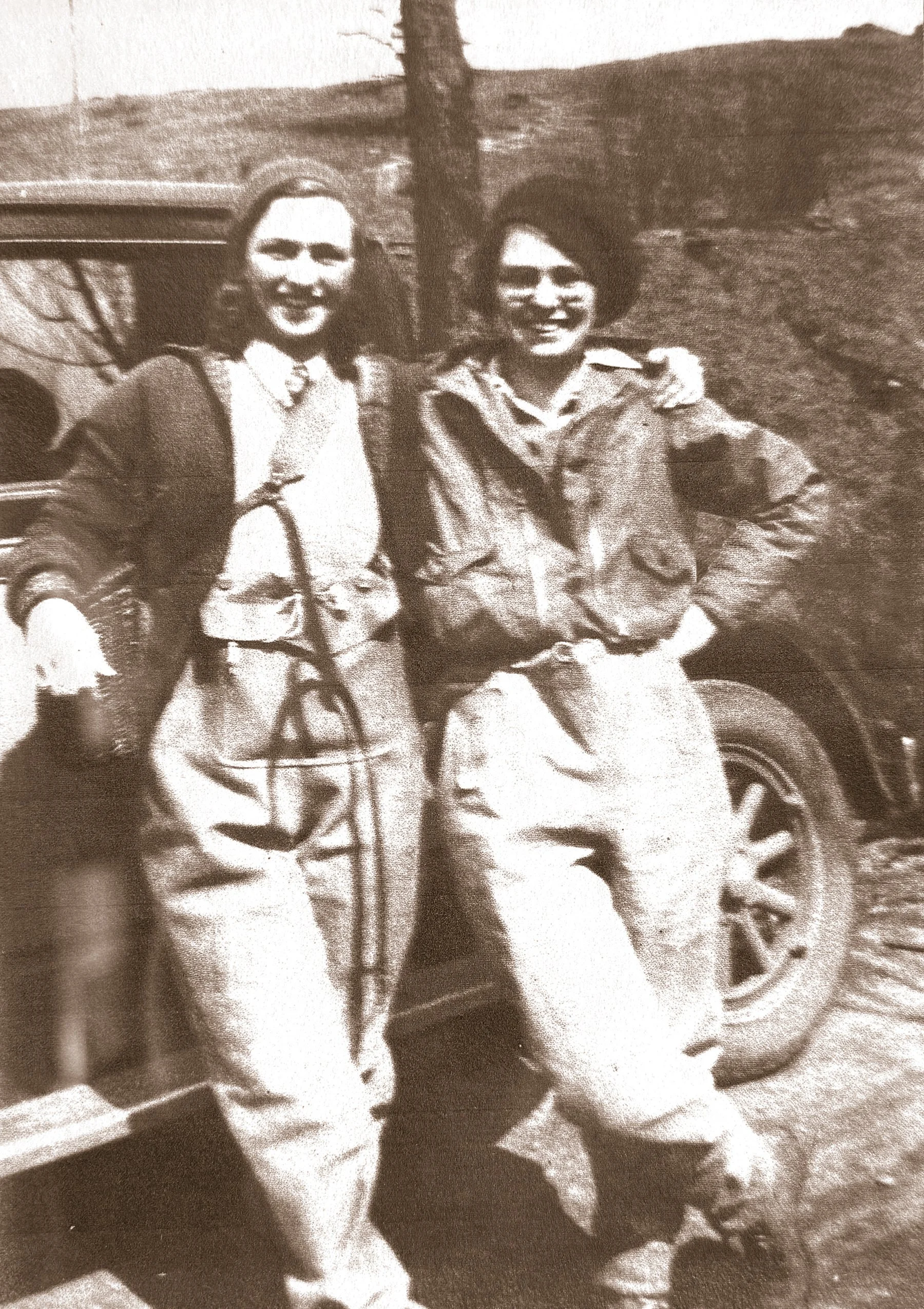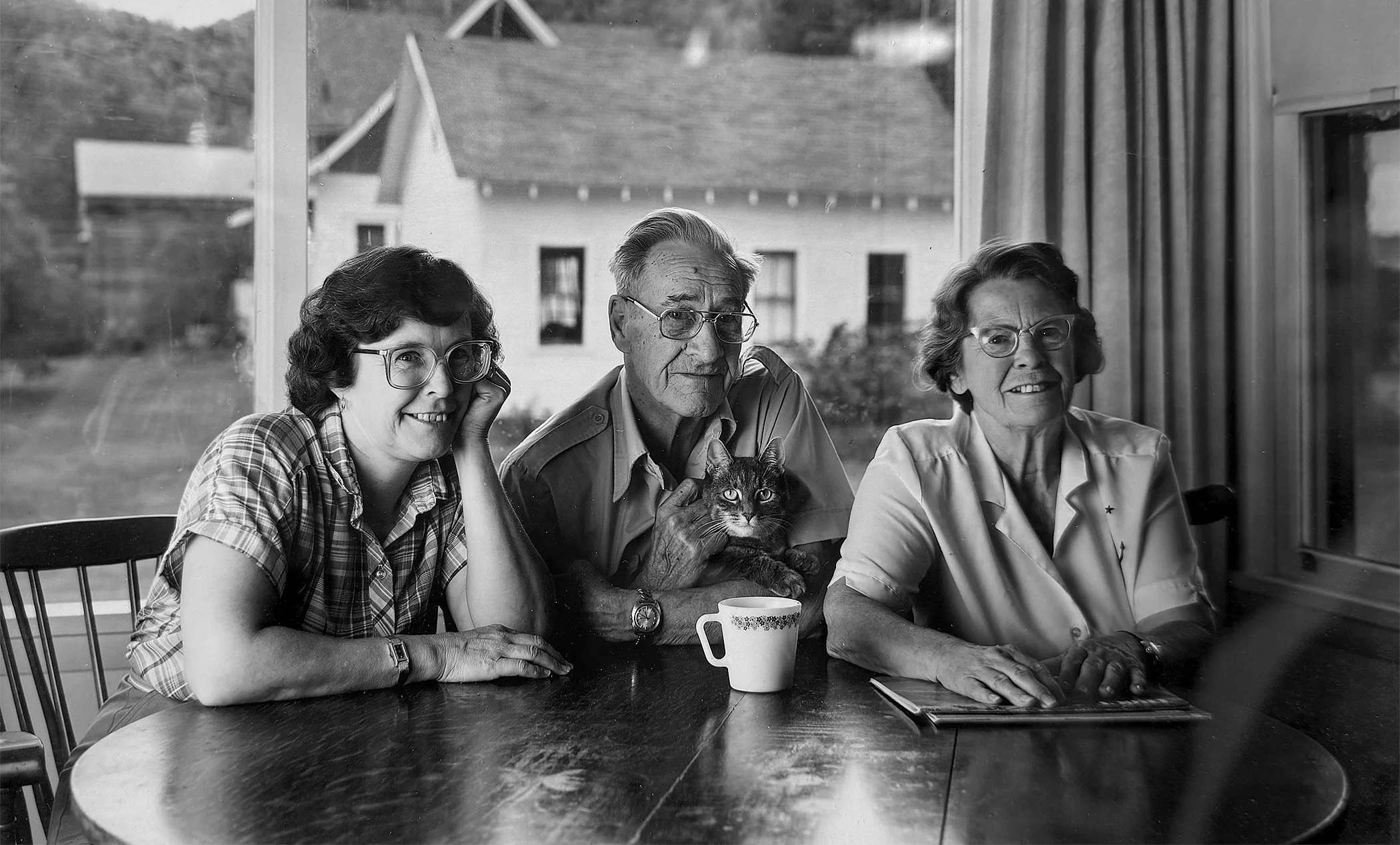
FISHERWOMEN Dette Flies co-owner Kelly Buchta, left, and her friend Raylene Ravarra, also a flyfishing fan and frequent visitor from New Jersey. Amy Hines photo
Women who popularized fly fishing
Dette and Darbee were early casters
By Rachel Zuckerman | Manor Ink
Livingston Manor, NY – Fly fishing: it has always been one of the top attractions that makes parts of the Catskills well known and enjoyable. But, you may ask, who brought it to these parts, and how does it affect our community? As it turns out, women have shaped fly fishing history, especially here in the Catskills. Women and fly fishing came together to play an important role in making what our fly fishing communities look like today.
“Women have always fished and still do, at first, for food and sustenance, now for relaxation or a hobby,” said Kelly Buchta. To find out more, the Ink decided to visit one of our town’s fly fishing shops. The paper spoke with the co-owner of Dette Flies on Main Street, Kelly Buchta, a fishing fan since she was little.
Fishing with her father
Buchta grew up in Norwalk, CT, on Long Island Sound, where she fished with her dad on their boat, in both fresh and salt water. “I grew up going to the rivers, going fishing, doing river cleanups, planting trees next to a river – with my Barbie or my teddy bear in hand, because I had to go where he went,” recalled Buchta. As an adult, she has been coming to the Catskills regularly to fish, and then moved here full time in 2019.
“The Catskills are considered the birthplace of American dry fly fishing,” said Buchta. She recounted how the original Dettes Flies was founded in 1928 by sisters Winnie Dette and Elsie Darbee. Winnie’s daughter Mary took over the shop in the 1950s, followed in the 1990s by her grandson Joe Fox, who co-owns the shop today with Buchta. Elsie Darbee founded the Catskill Fly Fishing Center & Museum on Old Rte. 17, which itself has involved women on the board, staff and in membership since its beginnings. The oldest private women’s fly fishers club in America is located along the Beaverkill and is about to celebrate its 100th anniversary.
Joan Wulff’s influence
In the 1970s, Joan Wulff moved here with her husband Lee Wulff, credited with shaping catch-and-release ethics, designing flies and championing conservation practices to preserve pristine water for trout. Joan became famous for her fly casting methods and for co-founding, with Lee, the Wulff School of Fly Fishing. “We went to Joan Wulff’s school. She taught us. I think most of us have had casting lessons with Joan at some point, even into her 80s,” said Buchta, referring to Joan Wulff’s influence today.
In addition to teaching casting for over 40 years, Joan Wulff became an author and regular speaker at events. She inspired untold numbers of women in the sport. Now at 99 years old, she commented on the increasing numbers of women in the sport. “All of my life I’ve tried to bring more women to fly fishing,” Wulff told the Ink. “I could not be more thrilled about what has happened.”
Buchta has an interesting take on how fly fishing is a great sport for women. “It’s an inclusive sport. You don’t have to be super athletic. You don’t have to jump high or run fast. And, yes, the river accepts you for who you are,” she said.
“The first known book about fly fishing was published in 1496 by a woman named Dame Juliana Berners,” said Buchta. “It’s called The Treatyse of Flyfishing with an Angle.” Buchta is also delighted with the increasing participation of women in the sport today. “I’m excited by it,” Buchta said. “It gives me a lot of energy. It gives me a lot of enthusiasm because more people will protect and care for the river. They will pick up a sport that they can feel confident about and love. It makes me very hopeful that our waters will stay clean.”